
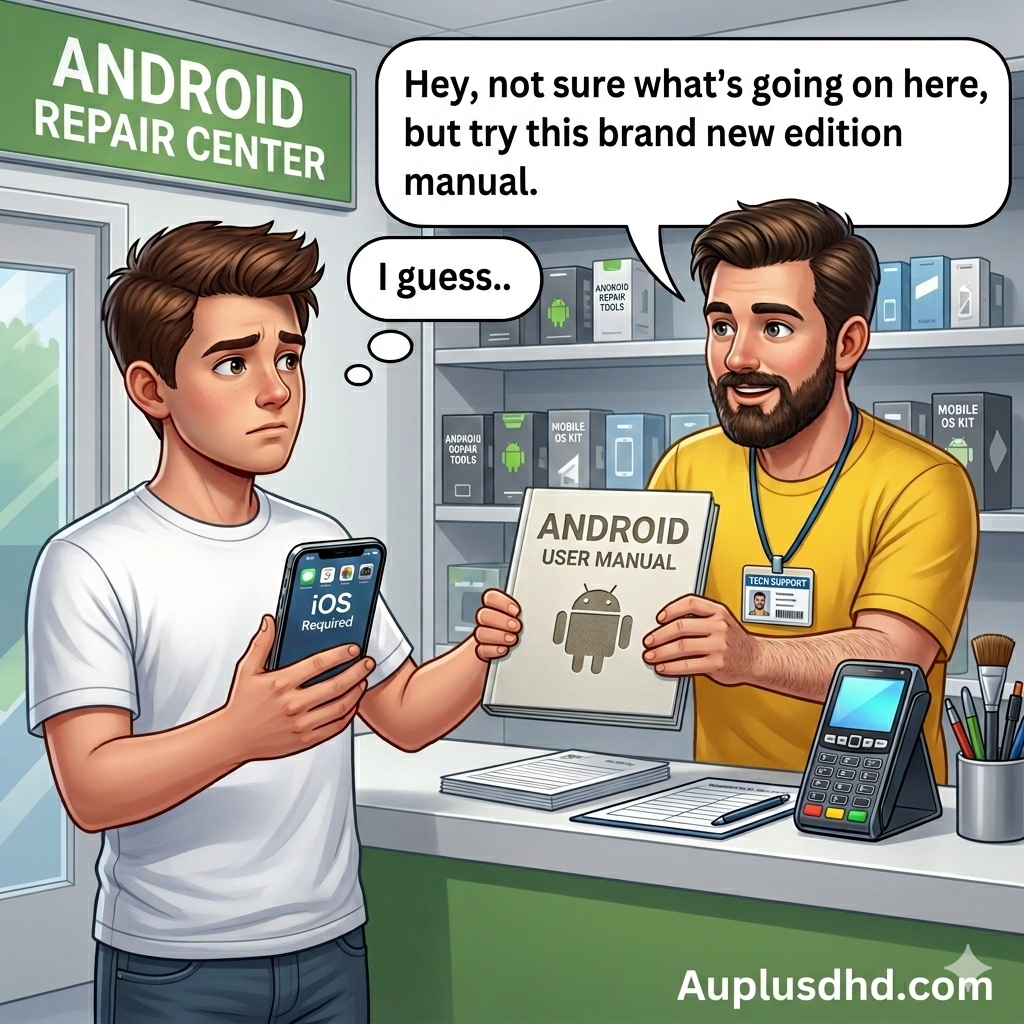
Imagine this…
If phones were neurotypes:
The Android system represents the dominant, widely assumed operating system ( i.e. a neurotypical mind) .
The iPhone represents a different, equally functional operating system (i.e a neurodivergent mind).
Some people are running iOS. Others are running Android. A few might be running something else entirely—an older system, a custom build, or a version that doesn’t neatly fit into either category.
For decades, society has written instruction manuals based almost exclusively on one operating system. The assumption? That everyone processes information, communicates, and navigates the world in the same way.
So when someone’s brain operates differently—when their system processes input differently, responds to stress differently, or communicates in a language all its own—they’re often handed strategies designed for a system they don’t actually run. They’re told to turn it off and on again. To close background apps. To just try harder.
And when those strategies don’t work, the failure is often placed on the individual—not the mismatch. But here’s the truth: the system isn’t broken. It’s just different.
Not because anyone is wrong. Not because one OS is superior. But because awareness simply hasn’t caught up yet.
In summary….
Phone Operating Systems = Our neurotype
Android phone = the Neurotypical operating system.
Custom OS = Nuerodiverent Operaing system
Recognizing the difference isn't about creating division; it’s about understanding the operating system so you can use the right apps, conserve energy, and optimize performance.
Disclaimer: "In this analogy, we're using Android as the 'Standard' simply because it's the most widely used globally, but the specific brand matters less than the fact that the code is written differently."
Neurotypical ( i.e. The "Android OS")
Neurotypical refers to individuals whose brains develop and function in ways that align with societal norms and expectations. This term describes people whose cognitive, social, and sensory behaviors fall within the typical range compared to the majority of the population.
In short: Their "operating system" runs the standard software without needing many workarounds.
Common Traits of the "Stock OS":
Social Interaction: They have an intuitive understanding of unspoken social cues (facial expressions, tone of voice, body language). It feels automatic.
Sensory Processing: They generally tolerate sensory input (loud sounds, bright lights, itchy tags) without significant distress or overload.
Learning and Focus: They tend to adapt well to traditional education and work environments. They can maintain focus amid moderate distractions and follow structured routines.
Emotional Regulation: They usually express emotions in ways that match social expectations and often prioritize group harmony.
Flexibility: They can adjust easily to changes in routine or environment without major emotional dysregulation.
KEY: Neurotypical brains can more easily adapt to the ‘operating manual’ of the society they reside in, Neurodivergent brains worldwide are often mismatched with it, requiring them to 'translate' instructions into their own internal language.
Key Details:
Prevalence: Neurotypical people make up approximately 80–85% of the global population.
It’s Not a medical label or Diagnosis: This is not a medical label, but a descriptive term used within the neurodiversity framework to contrast with neurodivergent individuals (those with Autism, ADHD, Dyslexia, etc.).
The Core Idea: It emphasizes that differences in brain function are natural variations, not deficits.
Important Note:
Being neurotypical does not imply superiority—only that one’s brain operates in a way that aligns closely with mainstream societal structures. While this alignment often provides social and systemic advantages, neurotypical individuals still face their own personal challenges.
Why it matters: Using this term encourages understanding and inclusivity, especially as society increasingly recognizes the unique strengths and needs of neurodivergent people.
