
NEURODIVERGENT NEEDS: Understanding the "Wrong Manual" Metaphor
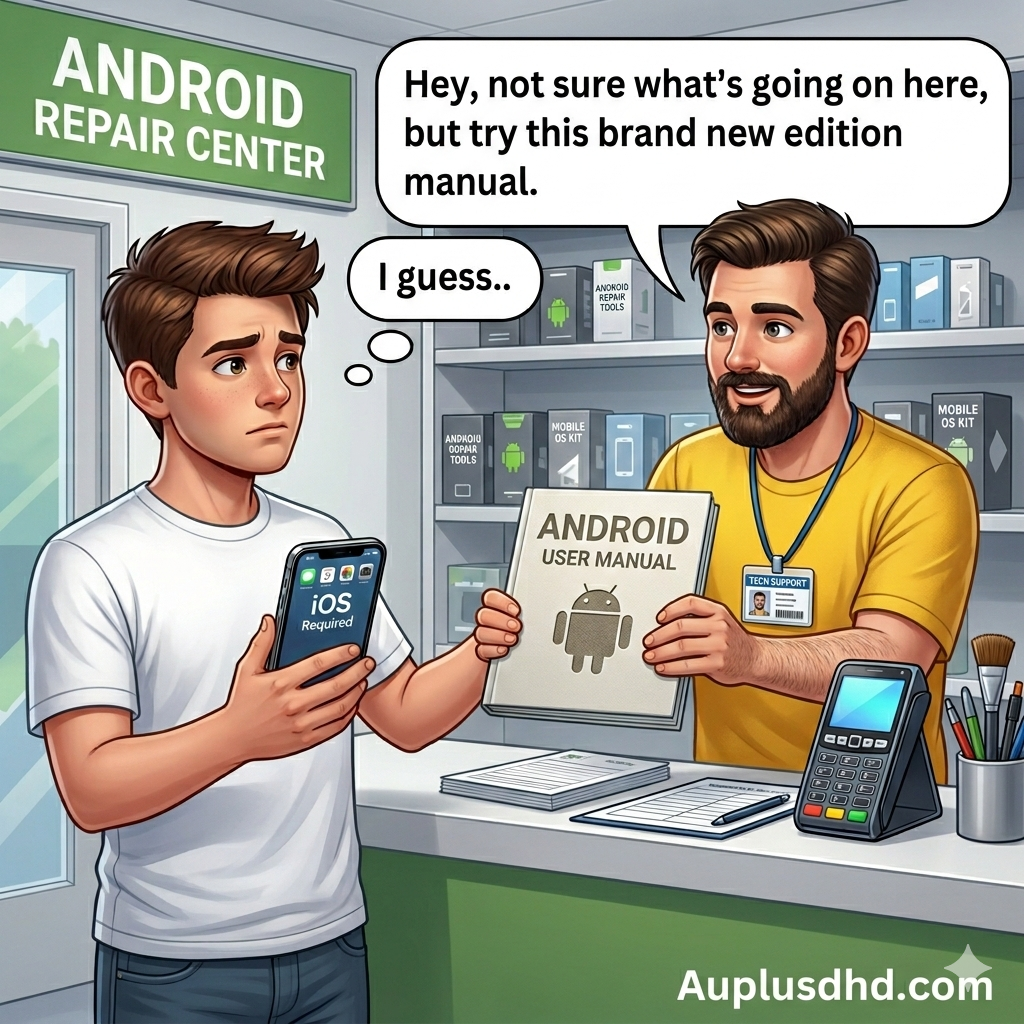
This image explores what happens when a brain is given instructions designed for a different operating system—and why support should never require someone to run software they weren't built to run.
What Is Neurodivergent Mismatch? A Clinical Observation
Many neurodivergent individuals—particularly those with ADHD, autism, or AuDHD—grow up being handed strategies, expectations, and support systems designed for neurotypical brains. When these strategies don't work, the individual is often labeled as:
"Not trying hard enough"
"Resistant to support"
"Difficult"
"Unmotivated"
But what if the support itself was the problem?
The Paradigm Shift: It's Not a Defect, It's a Compatibility Issue
The clinical view often asks: "Why can't this person use the tools everyone else uses?"
A neurodivergent-affirming view asks: "Why are we only making tools for one kind of brain?"
You wouldn't hand an iPhone user an Android repair manual and blame them when their phone won't work. You'd recognize that they're running a different operating system. The same is true for neurodivergent brains.
The Scene: An Android User at an Apple Store
Imagine walking into an Android Store, iPhone in hand, hoping to get help. You hand over your iPhone device. The technician looks at it, confused, and says:
"Hey, not sure what's going on here, but try this brand new edition manual. I guess..."
They slide an android user manual across the counter. It's beautifully designed. It works perfectly—for Androids. But it is completely useless to you. Worse, it leaves you feeling unseen, misunderstood, and like the problem must be you.
The Experience of Neurodivergent Mismatch
The Metaphor | The Real-World Experience |
|---|---|
iPhone user at an Android Store | A neurodivergent person seeking support from systems designed for neurotypical brains |
Being handed an Android manual | Being given neurotypical strategies: "Just make a list," "Just prioritize," "Just calm down," "Just try harder" |
The manual not working | The strategies failing despite genuine effort |
Feeling like the phone is broken | Internalizing the failure: "What's wrong with me? Why can't I do this?" |
The technician being puzzled | Professionals, educators, or loved ones who don't understand why "simple" strategies don't work |
Mindset Shift: "I am Not Broken. I am Just Running Different Software."
The iPhone isn't broken because it can't run on an Android Operating System. It was never designed to. It has its own operating system—one that requires different tools, different maintenance, and different support.
The same is true for ADHD, autistic, and AuDHD brains. When the support we're offered doesn't work, it's not because we're failing. It's because the support was designed for someone else.
What Real Support Looks Like
Real support doesn't hand you a manual for a different brain. It meets you where you are.
Instead of This... | Try This... |
|---|---|
"Just make a to-do list" | "What kind of external structure helps your brain engage?" |
"Just calm down" | "What helps you regulate when you're overwhelmed?" |
"Why can't you just start?" | "What would make starting easier for you right now?" |
"Here's what works for everyone else" | "Let's figure out what works for your brain" |
Key Takeaways: Designing Support for the Right Operating System
Compatibility matters. A tool is only helpful if it's designed for the system using it. Neurotypical strategies are not universal strategies.
It's not about effort. An iPhone user can read the Android manual cover to cover and it still won't fix their phone. Effort is not the missing piece; the right fit is.
You are the expert on your own brain. If the strategies you've been given don't work, it's not because you're doing them wrong. It's because they were written for a different operating system.
Real support is customized. The goal is not to make neurodivergent brains run neurotypical software. The goal is to build tools, environments, and strategies that honor the operating system that's actually there.
You don't need to become an Android. You just need a manual written for you.".
Source: auplusdhd.com | Understanding Au+DHD in Pictures
